
Immigration Law
Marriage Visas for Utah
A spouse visa lets the non‑citizen husband or wife of a U.S. citizen or permanent resident come to the United States, live with their spouse, and obtain a green card based on a real, qualifying marriage. If the non‑citizen spouse is already in the United States and eligible, they may apply for a green card through a process called adjustment of status without leaving the country.

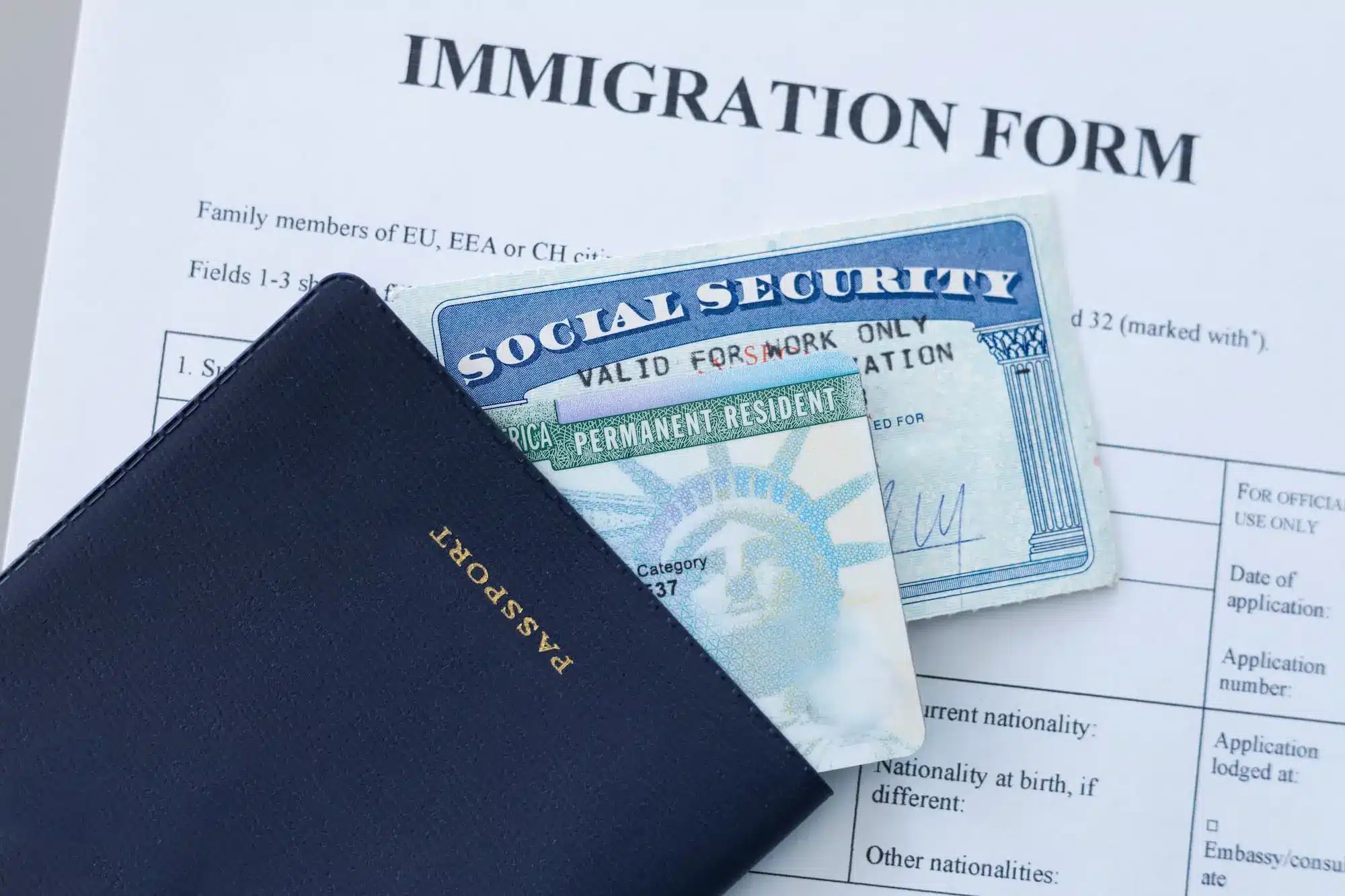
Immigrant Spouse Visas & Spousal Green Cards
Conditional Two-Year Spouse Green Cards
If you are a U.S. citizen or permanent resident and your marriage is less than two years old at approval, your spouse receives a CR‑1 conditional green card. You must then jointly file to remove conditions in the 90 days before the two‑year anniversary, after which your spouse becomes an IR‑1 permanent resident without conditions.
Ten-Year Spouse Green Cards
If you have been married for at least two years when your case is approved, your non‑citizen spouse may qualify for an IR‑1 (Immediate Relative Spouse) green card valid for ten years. This provides full, non‑conditional permanent resident status, allowing your spouse to live and work in the United States, travel subject to residency rules, and later apply for U.S. citizenship if eligible.
Non-Immigrant Spouse Visas & Fiancé(e) Visas
If your husband or wife plans to be in the country temporarily, our attorney can assist you with the appropriate K-3 visa application process. The K-3 visa provides temporary access for a visiting foreign spouse of a U.S. citizen.
If you plan to marry a noncitizen, you have the option of applying for a fiancé(e) visa (K-1 visa). This visa allows your future husband or wife to enter the country as long as you become legally married within 90 days.


Overcoming Challenges in the Spouse Visa Process
A spouse‑based adjustment of status allows a foreign national married to a U.S. citizen or lawful permanent resident to obtain a green card without leaving the United States. Although this process provides a valuable opportunity for couples to remain together during the application, it demands careful documentation, legal precision, and strategic preparation to prevent unnecessary delays or denials.
Obtaining a spouse visa through adjustment of status involves detailed documentation and strict compliance with U.S. immigration regulations. At Buhler Thomas Law, P.C., our Utah spouse visa attorneys provide comprehensive legal representation throughout every phase of the process—from evidentiary document compilation and legal review to the completion and submission of all required USCIS applications.
When an interview before USCIS is required, we ensure our clients are thoroughly prepared to address all relevant questions and present their case effectively under the law. Our attorneys may also appear as authorized legal representatives, providing dedicated advocacy throughout the adjustment process.
Spouse‑based applications can be denied for various reasons, including prior criminal history, immigration violations, or insufficient documentation. Our legal team identifies potential concerns early, develops tailored strategies to address them, and strengthens your case to improve the likelihood of approval.
Contact Buhler Thomas Law, P.C. today to schedule a consultation with a trusted spouse visa lawyer in Utah.
FAQs
Frequently Asked Questions
Find answers to common questions about our immigration law services. If you do not see the information you need, please contact our office directly to discuss your specific situation.
- Visa Types, Eligibility & Getting Started
- Documents, Timelines & the Application Process
- Conditional Green Cards, Divorce & the Path to Citizenship
I am a U.S. citizen and I married someone who lives outside the U.S. Do they automatically become a U.S. citizen?
Marriage to a U.S. citizen does not automatically confer U.S. citizenship or a green card. If your spouse lives outside the United States or is not eligible to apply for Adjustment of Status in the U.S., you must first file Form I‑130 (Petition for Alien Relative) to establish the marriage relationship. After USCIS approves the I‑130, the case is sent to the National Visa Center and then to the appropriate U.S. consulate, where your spouse will complete document processing, a medical exam, and an immigrant visa interview. If the visa is approved and your spouse is admitted to the United States as a permanent resident, they may later apply for U.S. citizenship through naturalization in as little as three years, as long as you remain married and meet all other requirements.”The team at Buhler Thomas Law regularly assists couples navigating the marriage visa process in Salt Lake City and throughout Utah. Our immigration attorneys can help you understand the timeline and prepare a strong petition.
What is the difference between a K-3 visa and a CR-1 or IR-1 immigrant spouse visa?
The K‑3 is a non-immigrant visa that allows the foreign spouse of a U.S. citizen to come to the United States and wait here while the immigrant visa process is completed. By contrast, the CR‑1 (conditional) and IR‑1 (immediate relative) are immigrant spouse visas that grant lawful permanent resident status upon entry. A CR‑1 is issued when the couple has been married for less than two years at the time of the immigrant visa interview, and an IR‑1 is issued when the marriage is at least two years old. The best option depends on your timing goals and how long you have been married; Buhler Thomas Law, P.C. can help you choose the most efficient strategy for your marriage visa in Utah.
What is a fiancé(e) (K-1) visa, and how does it differ from a spouse visa?
A fiancé(e) (K‑1) visa allows a foreign national engaged to a U.S. citizen to enter the United States for the purpose of getting married within 90 days, after which they must apply for Adjustment of Status to obtain a green card. By contrast, a spouse visa is filed after the marriage has already taken place and allows the foreign spouse to enter the U.S. as a permanent resident from day one. The fiancé(e) visa route can sometimes bring couples together in the United States more quickly, but it involves more steps and strict 90‑day timing, while the spouse visa often takes longer up front yet is more streamlined for obtaining a green card.Buhler Thomas Law can help you compare both pathways and choose the one that best fits your timeline and circumstances. Learn more about the fiancé(e)visa process here.
We were planning to use a fiancé(e) (K-1) visa, but we got married instead. Do we need to start over with a spouse visa?
Yes. Once you are legally married, the fiancé(e) visa route is no longer available, and you will generally need to file a new petition for your spouse as a CR-1 or IR-1 immigrant. Although this means changing strategies, the spouse-visa process can be more straightforward because your spouse becomes a permanent resident upon entry if the case is approved.
My spouse is currently outside the United States. Can we still work with Buhler Thomas Law?
Yes. You and your spouse can absolutely work with Buhler Thomas Law even if your spouse is outside the United States.
Buhler Thomas Law offers video and telephone consultations and regularly handles cases that require consular processing at U.S. embassies and consulates abroad. You and your spouse do not need to be in the same location to get started. Our immigration attorneys in Utah prepare and file the required petitions and applications in the United States while your spouse completes the consular process and interview in their home country.
How long does it take to bring a spouse to the United States through a marriage visa?
Processing times vary depending on the type of visa and your spouse’s country of residence. Immigrant spouse visas for spouses of U.S. citizens can take anywhere from roughly eight months to over two years, depending on USCIS and National Visa Center processing times and consular scheduling in your spouse’s country. fiancé(e) and non-immigrant spouse visa timelines differ again. Buhler Thomas Law can give you a more specific estimate based on your situation and help you choose the fastest legally appropriate path for your marriage visa in Salt Lake City or anywhere in Utah.
What documents are typically required for a marriage visa application?
Common documents for a marriage based visa include a valid marriage certificate, proof the sponsoring spouse is a U.S. citizen or permanent resident, financial sponsorship documents such as an Affidavit of Support, and a medical exam from an approved doctor. You also need evidence your marriage is genuine, for example joint bank accounts, a shared lease, insurance in both names, travel records, or similar paperwork showing you share a life together. Buhler Thomas Law, P.C. can provide a simple, student friendly checklist so you know exactly what to gather for your spouse visa application in Utah.
The timeline for my spouse's immigration case is very long. Can I just have my spouse come on a visitor visa and then file for them while they are in the U.S.?
The strategy of bringing a spouse to the United States on a visitor visa and then filing for them once they arrive carries serious legal risks and should never be attempted without careful legal advice. Although Adjustment of Status through USCIS can sometimes be faster than consular processing, not everyone who enters on a visitor visa is eligible to adjust, and a visitor must genuinely intend to stay only temporarily and then return home. Entering on a visitor visa with a secret plan to remain permanently can be treated as visa fraud, which may bar a person from ever obtaining a green card in Salt Lake City. Before considering this approach, speak with an immigration attorney at Buhler Thomas Law, who can assess the risks in your situation and help you choose a legally sound path to bringing your spouse to the United States.”
My spouse is in the U.S. and we filed Adjustment of Status based on our marriage. When can they start working?
If your spouse is applying for a green card from inside the United States, they usually must wait for USCIS to approve a separate work permit (Employment Authorization Document or “EAD”) before they can work legally. You typically request this work permit by filing Form I-765 together with the Adjustment of Status application, and many applicants can expect several months of processing time before the EAD is issued.
What if I do not earn enough income to sponsor my spouse for a green card?
To sponsor a spouse, you generally must show income at or above 125% of the federal poverty guidelines (or 100% if you are on active U.S. military duty and sponsoring a spouse). If your income is below the required level, you may be able to use certain assets or a qualified joint sponsor who agrees to sign a separate Affidavit of Support and accept financial responsibility as well.
Can my spouse’s children immigrate to the United States with them?
In many cases, your spouse’s unmarried minor children under 21 years old can be included as “derivative beneficiaries” on your marriage-based case or be sponsored in a related process, depending on their age, marital status, and how you file. If the child qualifies, they may receive immigrant visas and green cards around the same time as your spouse, but it is important to plan early so no one “ages out” or is accidentally left out of the paperwork.
What happens if we move while my spouse’s immigration case is pending?
If you move, both you and your spouse generally must update your addresses with USCIS (and sometimes with the National Visa Center or consulate) so that notices and interview letters go to the correct place. Failing to update your address can lead to missed appointments or deadlines, so it is important to file the required change-of-address forms promptly whenever you relocate.
I have filed an Application for Adjustment of Status. Can I leave the U.S. while it is pending?
Generally, you should not leave the United States while your Adjustment of Status application is pending unless you have proper travel authorization. If you depart without advance parole, USCIS will usually treat your case as abandoned and deny the I‑485, and your case may instead have to continue through consular processing abroad. One important exception is for certain applicants in valid H1B or L1 status, who may be able to travel and reenter on that visa without abandoning their pending adjustment. To protect your ability to travel, it is usually best to file for advance parole (and work authorization) together with your adjustment case so you can leave the U.S. once the travel document is approved. In true emergencies, you may request that USCIS expedite your advance parole. Buhler Thomas Law, P.C. advises clients on travel, advance parole, and all aspects of the Adjustment of Status process to avoid costly mistakes.
We just had our visa interview. My spouse was granted a 'conditional' green card. What does that mean?
A conditional green card means your spouse is a permanent resident, but their first card is only valid for two years because you had been married less than two years at the time of the interview. During the 90 days before the card expires, you and your spouse must file Form I‑751 to remove conditions and provide evidence that your marriage is genuine and ongoing, such as joint leases or mortgages, utility bills at the same address, joint bank or credit card statements, joint tax returns, shared insurance policies, records of major purchases, children’s birth certificates (if any), travel records, and affidavits from friends or family. If USCIS approves the petition, your spouse receives a regular ten‑year green card; if you miss the deadline or submit weak documentation, your spouse can fall out of status and face serious immigration consequences. Buhler Thomas Law helps couples track I‑751 deadlines and prepare strong, well‑organized filings to remove conditions from a marriage‑based green visa in Utah.
What happens if my spouse and I divorce before the removal of conditions is approved?
A divorce during the conditional green card period does not automatically end your spouse’s status, but it does make the I‑751 process more complicated and higher risk. If you cannot file a joint I‑751 because the marriage ended, the conditional resident may still file an I‑751 waiver, based on a good faith marriage that ended in divorce, battery or extreme cruelty, or extreme hardship if removed from the United States. These waiver cases are evidence intensive and must clearly show that the original marriage was genuine and that at least one waiver ground is fully met.Contact our immigration attorneys in Utah at Buhler Thomas Law, P.C. can help you evaluate your options, select the appropriate waiver category, and prepare a strong I‑751 filing if your marriage ends before the removal of conditions is approved.
Can Buhler Thomas Law help if my marriage-based green card application was denied or if I received a Request for Evidence?
Buhler Thomas Law can carefully review your denial notice or Request for Evidence, identify the underlying issues, and help you assemble the documentation and legal arguments needed to address them. Timely, thorough responses are critical; missing a deadline or submitting an incomplete response can result in a final denial. Engaging experienced immigration counsel to respond on your behalf can significantly improve your chances of a successful outcome. Contact our immigration attorneys in Utah promptly after receiving an RFE or denial so we can advise you on next steps and protect your case.